What Are the Alternatives to Shimano BB86 SM-BB72-41B and SM-BB92-41B Bottom Brackets?
In 2025, the BB86 standard is among the most widely used: 86 mm shell width and 41 mm inner diameter (press-fit bearings). It enables light, stiff frames with bearings positioned close to the crank arms for optimal power transfer.
Shimano’s BB72-41B (105/Ultegra) and SM-BB92-41B (Dura-Ace) are light and quiet thanks to their plastic construction, but can induce up to ~2 W of efficiency loss. At an average 150 W output, that’s still measurable.
Looking to improve drivetrain efficiency? Here are three upgrades that outperform the stock units.
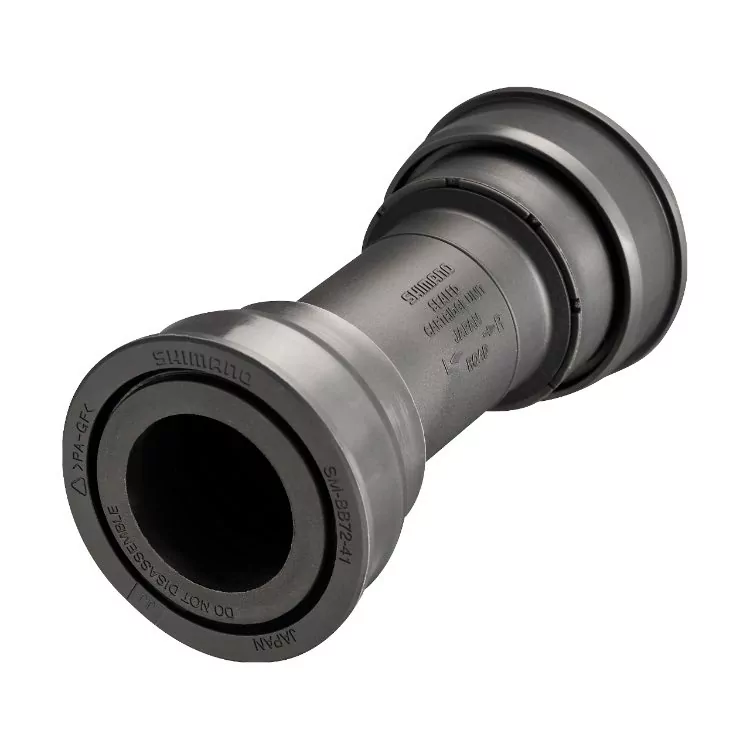
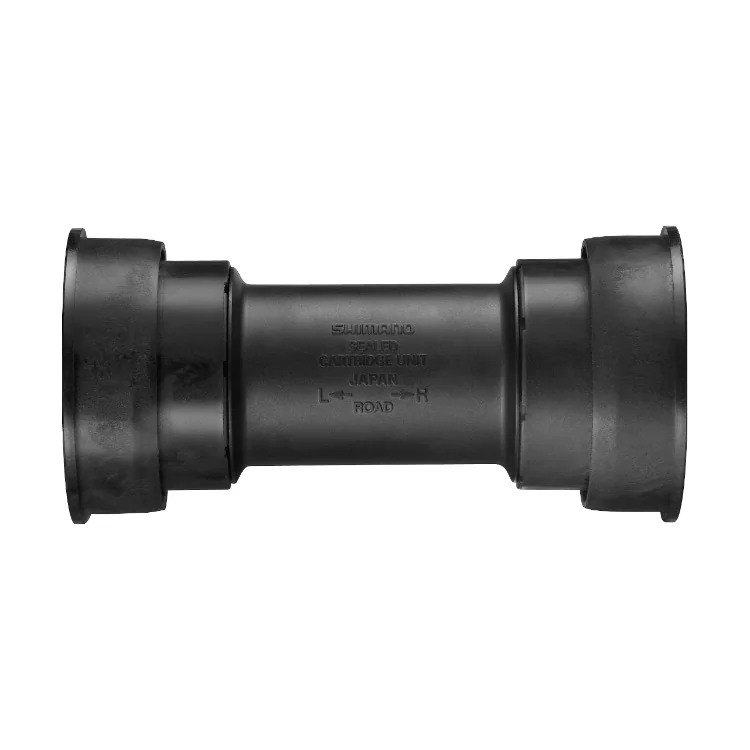
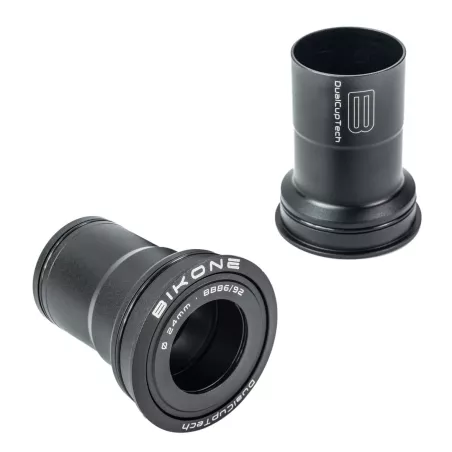
Bikone BB86 Shimano Steel
A reliable, technical upgrade to boost bearing quality.
- High-quality steel bearings for durability.
- Aluminum cups tailored to BB86 frames.
- Optimized seals for better protection.
BB86 Shimano CyclingCeramic
The safest bet for maximum efficiency and smoothness.
- Hybrid tunnel (plastic/aluminum) for perfect alignment.
- Ceramic bearings with ultra-low friction.
- Competitive pricing vs. other ceramic options.
Bikone BB86 Shimano Ceramic
A high-end blend of bearing quality, sealing and robustness.
- Protective tunnel for alignment and longevity.
- Premium ceramic bearings for maximum efficiency.
- Engineered for demanding BB86 frames.
Why replace your stock Shimano bottom bracket?
BB72-41B and BB92-41B are interchangeable; moving from 72 to 92 yields only minor gains. The options above deliver tangible benefits: higher efficiency (reduced friction) and greater durability (better materials and seals). Also see our 2025 professional bike chart to check which brands run BB86.
Conclusion: choose the best BB86 upgrade for your frame
Swapping a Shimano BB86 unit is a high-impact optimization for smoothness and longevity. Pick Bikone Steel for a cost-effective upgrade, CyclingCeramic for maximum fluidity, or Bikone Ceramic for a robust, high-performance solution.