How to choose a crankset for a BB86 frame?
BB86 is a press-fit bottom bracket standard. The frame’s shell measures 86.5 mm wide with a 41 mm internal diameter. It supports three main axle types:
- 24 mm axles (Shimano, Rotor 24)
- 30 mm axles (Rotor, THM, Cane Creek…)
- 29 mm DUB axles (SRAM Rival, Force, Red AXS)
The right choice depends on:
- Your current setup: no need to replace a functioning BB.
- Your priorities: weight, stiffness, groupset compatibility.
- Crank length availability: some lengths are brand- or axle-specific.
Are BB86 and BB92 the same?
They share the same 41 mm inner diameter, but differ in width:
- BB86 = 86.5 mm (road)
- BB92 = 91.5–92 mm (MTB)
They are similar but not always interchangeable. Always measure your frame’s shell width. Some BBs are designed to cover both.
How to identify your bottom bracket standard?
- Check if the BB is press-fit or threaded.
- Measure the shell width: 68 mm, 86.5 mm, etc.
- Measure the internal diameter: 41 mm (BB86), 42 mm (BB30), 46 mm (BB386 EVO, BBRight, T47…)
Bottom Bracket Standards Comparison
| Standard |
Width |
Ø Internal |
Type |
| BSA / ITA |
68 mm |
Threaded |
Screw-in |
| BB86 |
86.5 mm |
41 mm |
Press-fit |
| BB386 EVO |
86.5 mm |
46 mm |
Press-fit |
| BB30 |
68 mm |
42 mm |
Press-fit |
| T47 |
68–86 mm |
Threaded |
Screw-in |
Tip: BB86 is widely used on road bikes (Ø 41 mm). Always ensure crankset and bottom bracket compatibility.
Can I install a Shimano crankset on a BB86 frame?
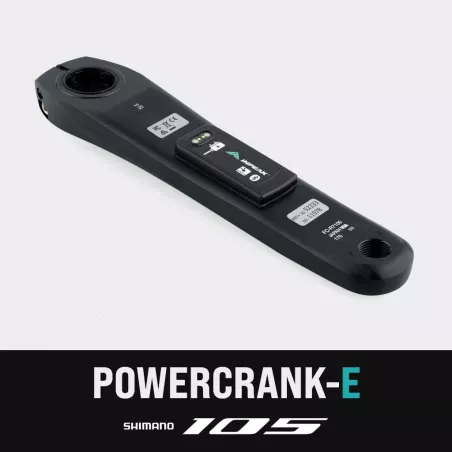
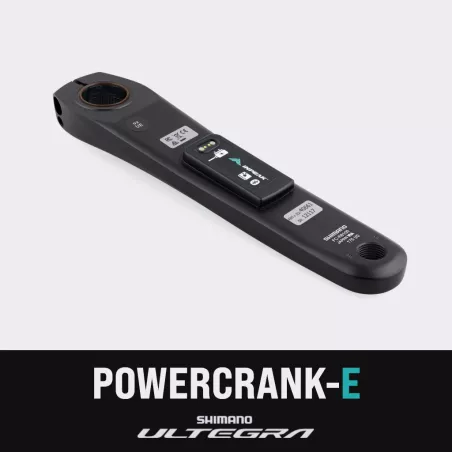
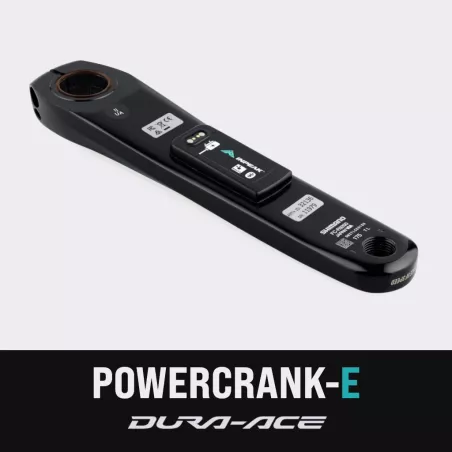
Yes. BB86 was developed by Shimano and is sometimes called Press-Fit Shimano. It fits all modern 24 mm Shimano cranks (Ultegra, Dura-Ace…).
However, Shimano cranks are relatively heavy. If weight matters, consider 30 mm alloy or carbon cranks (Rotor, THM…) for better stiffness-to-weight.
Is BB86 compatible with SRAM cranksets?
Yes. Older GXP cranks (24/22 mm) require specific adapters. The most common setup today is BB86 DUB (29 mm axle), perfectly suited for SRAM AXS.
Can I use special crankarms on a BB86 frame?
Yes, with the right BB. A 41/30 BB86 allows boutique cranks with:
- Uncommon lengths (150 mm, 160 mm, 167.5 mm)
- Asymmetrical options (shorter left crank for biomechanics or rehab)
How to choose crank length?
Crank length affects cadence, power and comfort:
- Long cranks: more torque, lower cadence
- Short cranks: higher cadence, faster spin
Ideally, test several lengths before investing in a high-end crankset.
Which brands use BB86?
BB86 is common on road frames from:
- Canyon, Scott, Giant, Merida, Lapierre, Bianchi
- Wilier, Cube, Van Rysel and more
Benefits of BB86
- Allows lighter frames
- Good stiffness-to-weight ratio
- Compatible with various axle standards
- Cost-efficient for manufacturers
Downsides of BB86
- Needs precise frame tolerances
- May creak if not properly installed
- More frequent maintenance vs BSA (regreasing)
- Harder removal without dedicated tools
BB86 vs BSA: Which is better?
It depends. BB86 allows for lighter, stiffer frames, but requires precise installation. BSA is simpler to maintain and quieter long-term.
Example: Canyon Aeroad (BB86) vs Specialized Tarmac SL8 (BSA). Frame design quality matters more than the BB standard itself.