CURATED BY VELO-PERSO

Discover our latest favourites

Prices checked on the product pages on 28 October 2026. Selected options may change the price. Offers and availability may change; the product page price prevails.

Velo-Perso experience · Cycling specialists since 2009

Upgrade your bike: greater efficiency, more enjoyment, without replacing everything.

A great bike is about more than its price tag. Our role is to help you choose the right upgrade for the way you ride, whether that means a carbon crankset, bottom bracket, wheel bearings, chainrings or aerodynamic equipment. We clearly distinguish technical facts, our own observations and riders’ personal experience.

Our perspective

€5,000 or €15,000: price does not tell the whole performance story.

The price of a top-tier bike also reflects the cost of saving the last few grams, sophisticated integration, exclusive finishes and premium wheels. These features can be worthwhile, but they do not necessarily deliver efficiency gains proportional to their price.

Our view: a well-chosen €5,000 bike can benefit from targeted upgrades — a carbon derailleur cage, suitable bearings, a ceramic bottom bracket with aluminium cups, a lightweight carbon crankset or more aerodynamic chainrings — and become a remarkably accomplished build without replacing every component.

The right upgrade, not the highest price tag.

We are not claiming that every €5,000 bike can match every €15,000 bike. Geometry, frame, wheels, tyres, riding position and the complete build still matter. But a highly enjoyable, efficient bike does not have to be the most expensive model in the catalogue.

The numbers

One watt is not insignificant.

At 120 W, saving 1 W represents 0.83% of the power being produced; at 200 W, it is 0.5%. That is a power comparison, not an equivalent percentage increase in speed.

The mechanics

Small gains can work together.

Friction, weight and aerodynamics are different aspects of performance. Upgrades can complement one another, but manufacturers’ claimed watt savings cannot simply be added together.

Our experience

Enjoyment matters, too.

Our conversations with customers reinforce this: a bike that feels better suited to you, smoother or simply more enjoyable can make you want to ride more. That feeling matters, even if it cannot be expressed in watts.

Targeted upgrades, not an endless shopping list

Where should you look for meaningful improvements?

A worthwhile upgrade should solve a specific problem. The goal is not to replace every original component, but to choose the parts that make sense for your bike, your terrain and your budget.

Drivetrain

Bearings, bottom bracket and pulleys

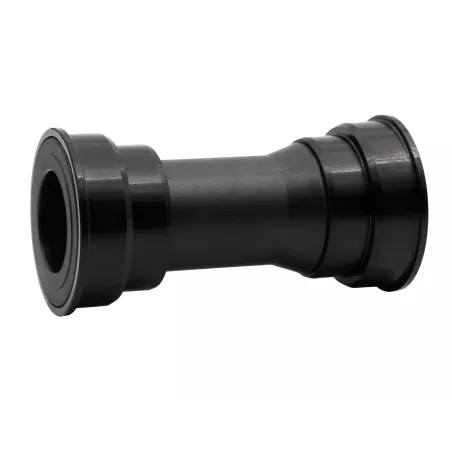
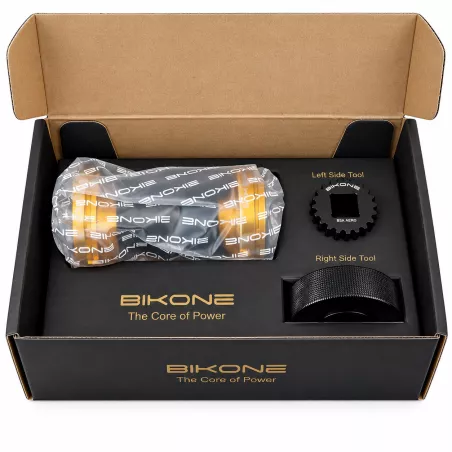
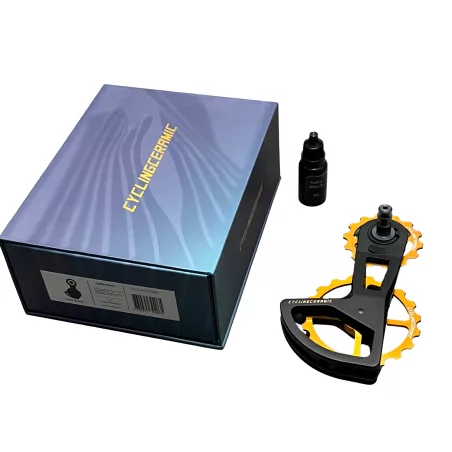
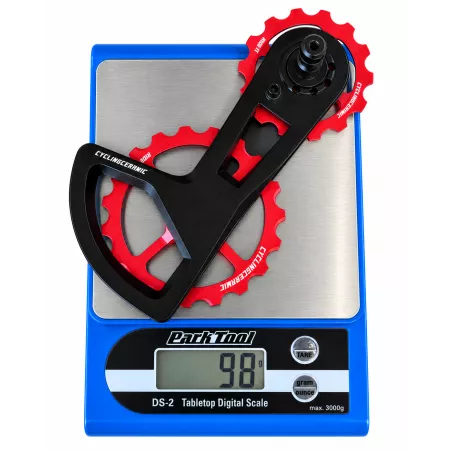
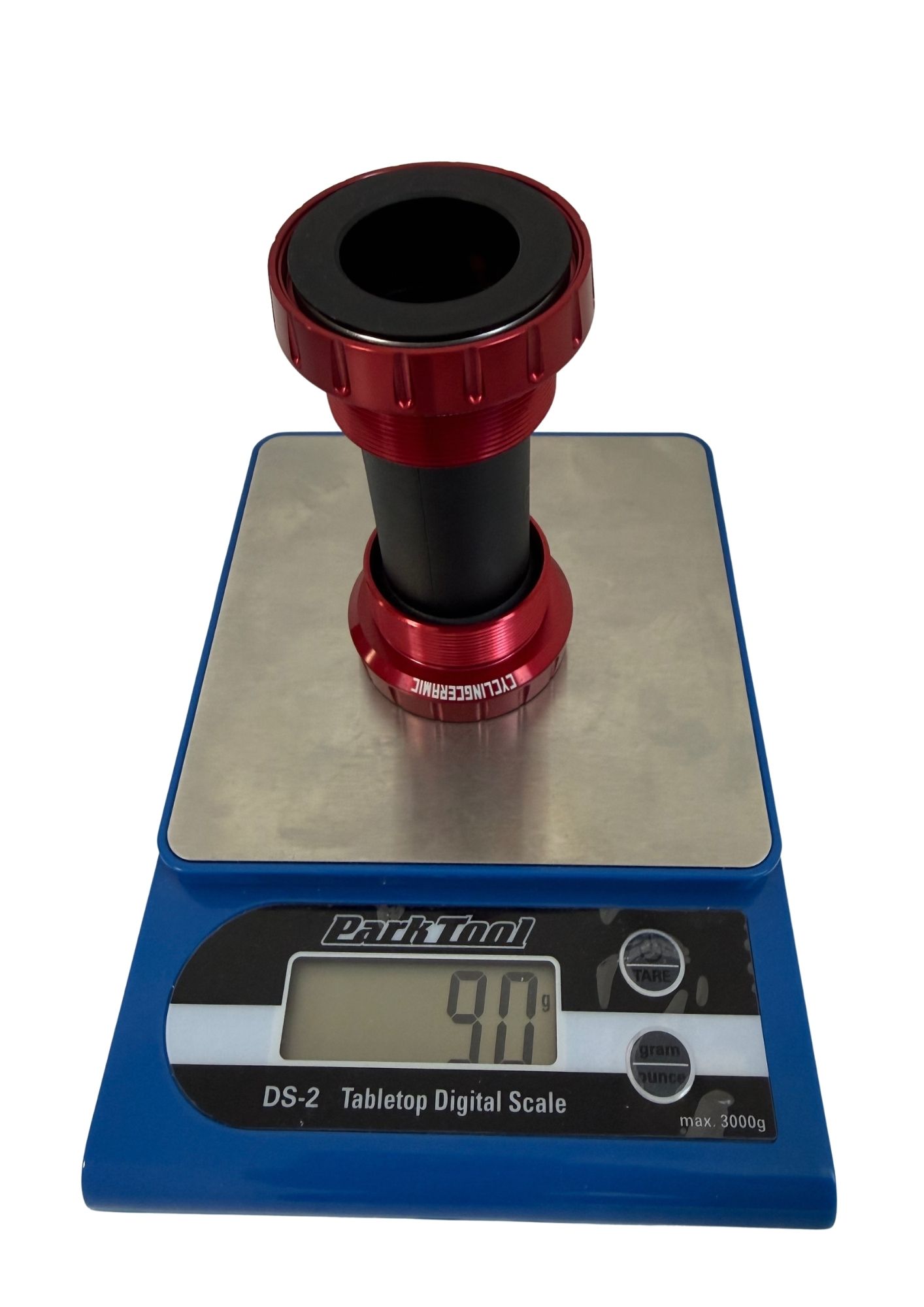
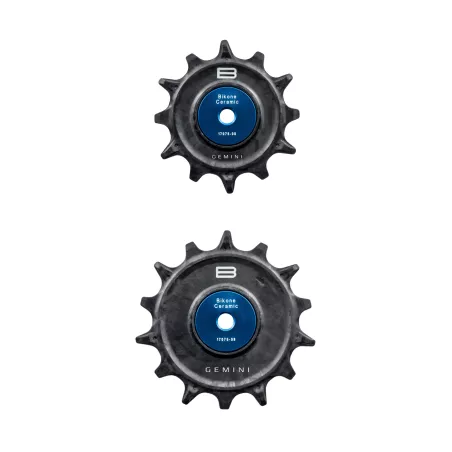
An aluminium-cup bottom bracket, ceramic wheel bearings or a carbon oversized pulley cage can all contribute to a carefully refined build. Friction depends on the whole system: bearings, seals, lubrication, alignment and chain condition.

Find the right bottom bracket
Find bearings for your wheels
Weight & cadence

Crank arms, spindle and chainrings

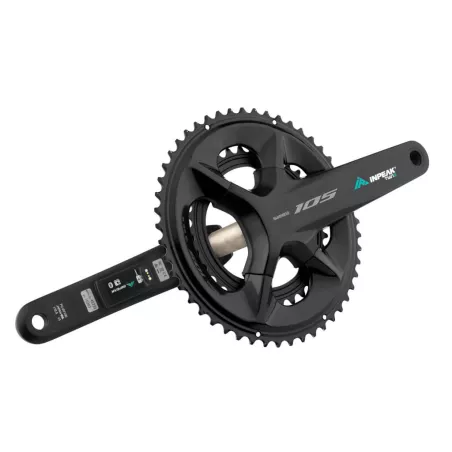
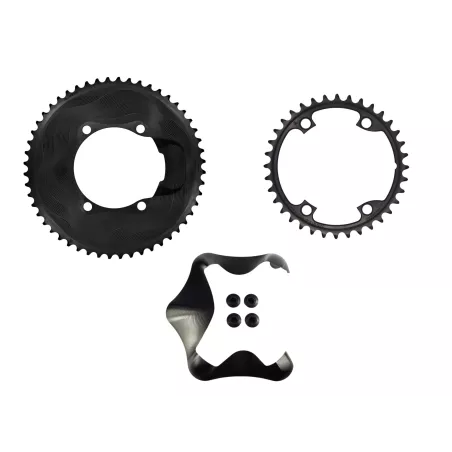
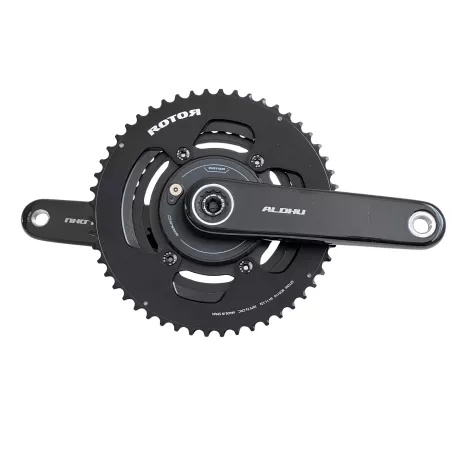
A carbon crankset may reduce bike weight; crank length and chainring sizes also affect riding position, cadence and available gearing. Modular components make it possible to improve a build without replacing the entire system.

Find your crankset
Aerodynamics

Position before accessories

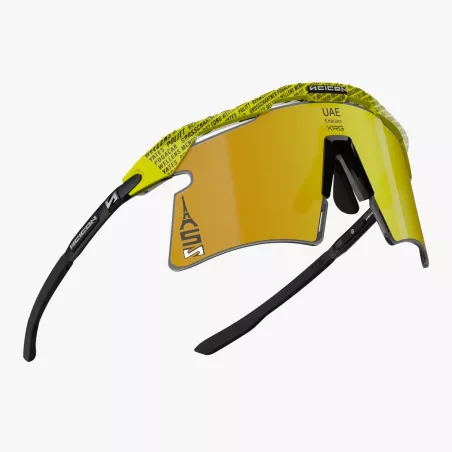
At sustained speed, aerodynamic drag is a major source of resistance. Start with an effective position you can maintain; then consider your kit, aero overshoes and relevant components for your discipline.

Explore our Spatzwear guide

Real-world observation · Not a laboratory test

Before chasing watts in bearings, consider what your riding position may be costing you.

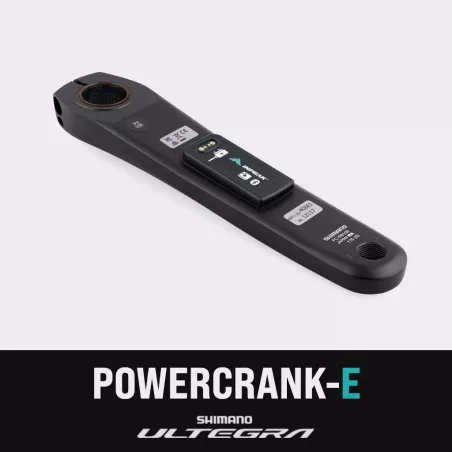
A power meter shows how much power a rider produces to maintain a given speed. With a sufficiently repeatable route, conditions and testing method, it can also help assess the indirect effect of aerodynamic changes. On its own, however, it cannot measure drag area (CdA).

A case we observed
230 W
First rider
200 W
Second rider
≈ 20 W
Approximate difference associated with position changes in this case

We encountered two riders of apparently similar height and build, travelling at the same speed but showing 230 W for one and 200 W for the other. In the subsequent work, changes to riding position were associated with an observed improvement of around 20 W, before looking at equipment and other potential sources of resistance.

How should you read this example? This is a Velo-Perso recollection from practical experience, not a published controlled comparison. Power-meter calibration, wind, tyres, road surface, position and other variables may affect the difference. These figures are not a promised saving for another rider.

For triathletes and time-trial riders, an aerodynamic position that can be sustained throughout the event deserves particular attention, alongside suitable clothing and accessories. Depending on race distance, speed and the aerodynamic improvement actually achieved, the time difference may be measured in seconds or minutes — but it should be measured or modelled before making a specific claim.

At the heart of your pedalling setup

Your crankset: the right feel, and above all the right gearing.

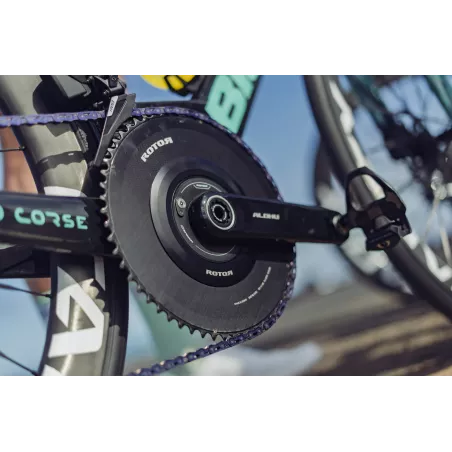
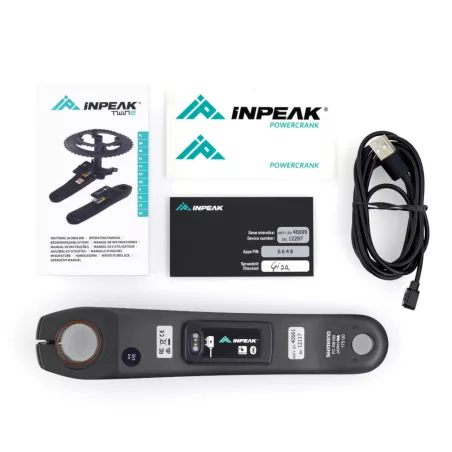
The crank arms receive force from your legs; the spindle and chainrings pass torque into the drivetrain, while the frame supports the assembly. Crank length, materials, weight, stance width, chainrings and compatibility all need to be considered together.

We also believe in the importance of feel: you should be comfortable on your crankset whether you are tackling a gran fondo, climbing mountains, racing a triathlon or simply enjoying a ride. But before weight and aesthetics, the combination of chainrings and cassette determines your available gearing.

Our 2026 catalogue makes a wide range of builds possible, including upgrades to bikes from the 2010s. We offer several generations of Rotor, QO and Shimano- or SRAM-compatible solutions for road, gravel and track, depending on the model. Compatibility must always be checked for the exact build: frame bottom-bracket standard, spindle, chainline, bolt pattern, drivetrain generation and available clearance.

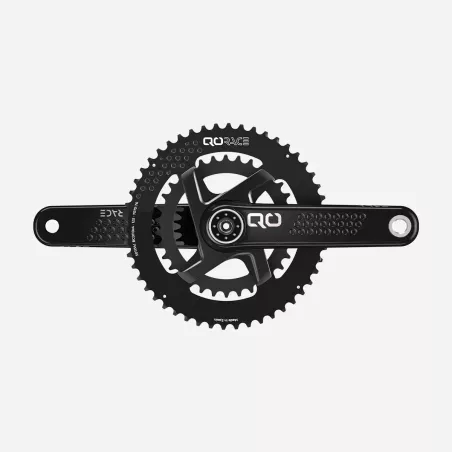
Example of our own weighing: 571 g for a QO RACE Light with 165 mm crank arms and 50/34 chainrings. This figure applies to that precise configuration, not every variant. Discover QO cranksets.

Frequently asked questions · Technical advice

Your questions about marginal gains and component choice.

Concise answers, with links to our guides and configurators when you need to explore a setup in more detail.

Can a €5,000 road bike compete with a €15,000 bike?

In some respects, yes. A well-chosen, carefully upgraded bike may come close to a much more expensive model in weight, mechanical efficiency or aerodynamics. That does not make the frames, wheels, geometries or integration identical. Our advice: compare complete builds and intended uses, not catalogue prices alone.

Do several one-watt savings add up?

Not automatically. Friction savings measured under equivalent conditions may partly combine, but the starting setup, component interactions and test method matter. Aerodynamic savings also depend on speed and position. At 120 W, 1 W equals 0.83% of power output — not an extra 0.83% of speed.

Do ceramic bearings stay smoother over time?

Our observation: some high-quality ceramic-bearing derailleur pulleys have continued to spin very freely after extended use, sometimes with less frequent servicing. This does not prove that ceramic is always superior to steel, and it is not a recommendation to run bearings without lubrication. Sealing, race corrosion, water, dirt, grease and preload all influence long-term performance.

Compare steel and ceramic bottom brackets.

What does a carbon oversized pulley cage offer?

Depending on its design, an oversized pulley system can change chain articulation around the pulleys, friction losses and weight, while giving your bike a distinctive finish. Any gain depends on the chain, rear derailleur and setup. Check the exact derailleur model, chain length and compatibility before ordering.

See a Shimano upgrade bundle.

Why does aerodynamics matter so much in triathlon?

Because riders spend a long time cycling, often alone, and aerodynamic drag becomes particularly important at higher speeds. Position, helmet, clothing, overshoes and aero components can all play a part. The best solution is one you can hold without excessively compromising comfort or your ability to produce power.

Read our Spatzwear overshoes guide.

Can a power meter help identify aerodynamic losses?

It can help investigate them, but not diagnose them by itself. Comparing speed and power over repeated runs with controlled conditions can reveal differences worth exploring. Two riders of similar height are not necessarily directly comparable: their positions, equipment and power meters may differ.

Compare cycling power meters.

Should I choose crank length or chainring sizes first?

They serve different purposes: crank length affects pedalling biomechanics and feel, whereas chainrings and cassette determine gearing. For a coherent setup, start with your riding goals and position, then check the gearing and all fitment requirements. Compare gear ratios.

Can I upgrade a crankset or bike from the 2010s?

Often yes, but only after checking compatibility. Our 2026 selection covers many crank spindle, frame and chainring systems dating back to the 2010s. Limitations may involve bolt patterns, front derailleurs, frame clearance, chainline or bottom-bracket standards. Start with the crankset finder.

Which upgrade will make my bike more enjoyable to ride?

It depends on what you want to improve: more suitable gearing, a comfortable position, a well-maintained drivetrain, a crankset that feels right, or a build whose appearance you love. Our belief: enjoying your bike more is a perfectly good reason to personalise it, even when no measurable time saving has been demonstrated.

How do I check compatibility before ordering?

Identify your frame model and year, bottom-bracket standard, crank spindle diameter, drivetrain and existing components. Knowing that your frame uses BSA, BB86 or T47 is not enough on its own: you must also know the crank spindle type. Use our bottom bracket finder or ask us to check your setup.

Which upgrade is right for your bike?

Tell us the make, model and year of your bike, its drivetrain and your goal — weight, aerodynamics, gearing, reliability or simply riding enjoyment. We will help you plan a build that makes sense.

Ask Velo-Perso for advice