Sub-compact drivetrains: understand before you choose
When 50/34 starts to feel “too big”: cadence drops under 70 rpm on steep ramps, heart rate spikes, tendon niggles appear, you can’t “come back” after a tight uphill switchback, and some days the legs just aren’t there. In the mountains or on long sportives, you end up suffering the gear instead of holding a steady rhythm.

How to read the tables: we show theoretical speed (km/h) for each sprocket in two realistic scenarios:
— Big ring at 100 rpm (you generally spin faster on the flat)
— Small ring at 80 rpm (a lower cadence on climbs)
Common assumptions: 700c wheel, circumference ~2.10 m, no wind. Speed (km/h) ≈ cadence × (chainring/sprocket) × 2.10 × 60 / 1000.
Shimano road baseline — 50/34 with 11-speed cassette (11–32)
| Sprocket (teeth) | Speed at 100 rpm (50T) | Speed at 80 rpm (34T) |
|---|---|---|
| 11 | 57.3 | 31.2 |
| 12 | 52.5 | 28.6 |
| 13 | 48.5 | 26.4 |
| 14 | 45.0 | 24.5 |
| 16 | 39.4 | 21.4 |
| 18 | 35.0 | 19.0 |
| 20 | 31.5 | 17.1 |
| 22 | 28.6 | 15.6 |
| 25 | 25.2 | 13.7 |
| 28 | 22.5 | 12.2 |
| 32 | 19.7 | 10.7 |
Shimano road baseline — 50/34 with 12-speed cassette (11–34)
| Sprocket (teeth) | Speed at 100 rpm (50T) | Speed at 80 rpm (34T) |
|---|---|---|
| 11 | 57.3 | 31.2 |
| 12 | 52.5 | 28.6 |
| 13 | 48.5 | 26.4 |
| 14 | 45.0 | 24.5 |
| 15 | 42.0 | 22.8 |
| 17 | 37.1 | 20.2 |
| 19 | 33.2 | 18.0 |
| 21 | 30.0 | 16.3 |
| 24 | 26.3 | 14.3 |
| 27 | 23.3 | 12.7 |
| 30 | 21.0 | 11.4 |
| 34 | 18.5 | 10.1 |
Sub-compact option — 46/30 with 11-speed cassette (11–32)
| Sprocket (teeth) | Speed at 100 rpm (46T) | Speed at 80 rpm (30T) |
|---|---|---|
| 11 | 52.7 | 27.5 |
| 12 | 48.3 | 25.2 |
| 13 | 44.6 | 23.3 |
| 14 | 41.4 | 21.6 |
| 16 | 36.2 | 18.9 |
| 18 | 32.2 | 16.8 |
| 20 | 29.0 | 15.1 |
| 22 | 26.3 | 13.7 |
| 25 | 23.2 | 12.1 |
| 28 | 20.7 | 10.8 |
| 32 | 18.1 | 9.4 |
Sub-compact option — 48/31 with 11-speed cassette (11–32)
| Sprocket (teeth) | Speed at 100 rpm (48T) | Speed at 80 rpm (31T) |
|---|---|---|
| 11 | 55.0 | 28.4 |
| 12 | 50.4 | 26.0 |
| 13 | 46.5 | 24.0 |
| 14 | 43.2 | 22.3 |
| 16 | 37.8 | 19.5 |
| 18 | 33.6 | 17.4 |
| 20 | 30.2 | 15.6 |
| 22 | 27.5 | 14.2 |
| 25 | 24.2 | 12.5 |
| 28 | 21.6 | 11.2 |
| 32 | 18.9 | 9.8 |
Sub-compact option — 48/31 with 12-speed cassette (11–34)
| Sprocket (teeth) | Speed at 100 rpm (48T) | Speed at 80 rpm (31T) |
|---|---|---|
| 11 | 55.0 | 28.4 |
| 12 | 50.4 | 26.0 |
| 13 | 46.5 | 24.0 |
| 14 | 43.2 | 22.3 |
| 15 | 40.3 | 20.8 |
| 17 | 35.6 | 18.4 |
| 19 | 31.8 | 16.4 |
| 21 | 28.8 | 14.9 |
| 24 | 25.2 | 13.0 |
| 27 | 22.4 | 11.6 |
| 30 | 20.2 | 10.4 |
| 34 | 17.8 | 9.2 |
“Fewer watts required”: what changes with 31×34 vs 34×34
At the same cadence (80 rpm) uphill, 31×34 yields ~9.2 km/h while 34×34 yields ~10.1 km/h. Lower speed means lower required power:
- 8 % grade, system mass 80 kg, Crr 0.004, CdA 0.32 m²: ~171 W (31×34, 9.2 km/h) vs ~189 W (34×34, 10.1 km/h) → ~17 W less.
- Order of magnitude: about 15–21 W less between 7 % and 10 % grades (same assumptions).
Important: at the same speed, the gear ratio doesn’t change the physics (required watts stay the same). The point of sub-compact is to give you a sustainable cadence at a pace you can hold, without going into the red — helping you stabilise your effort.
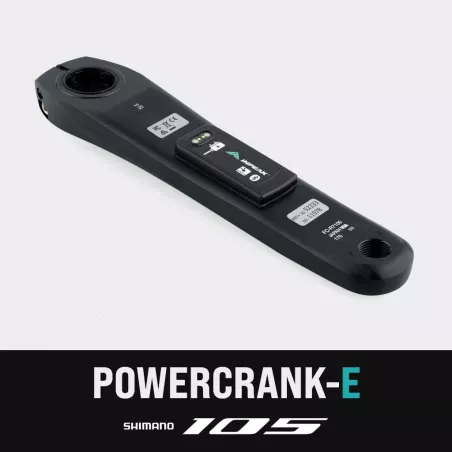
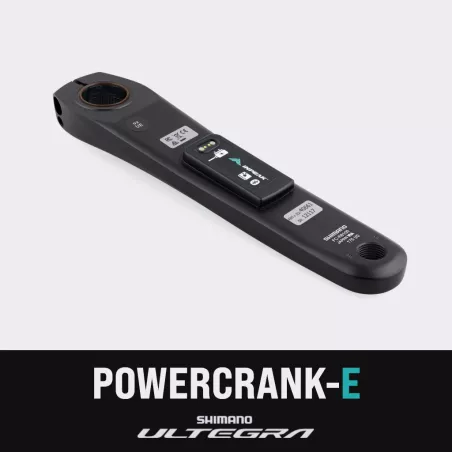
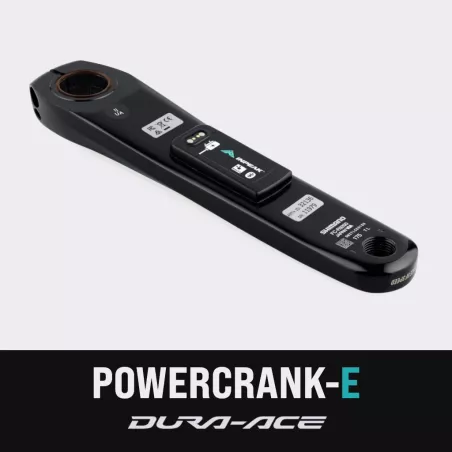
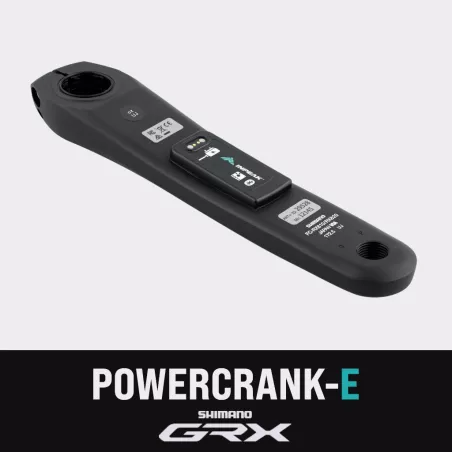
Technical notes: 48/31 often comes as Direct Mount (common with Shimano 12s), so a spider-based power meter can’t be used. If a power meter is essential, go for power-meter pedals or a compatible crank with an integrated meter. For gravel, also consider chainline (appropriate axle) to preserve efficiency.
Climbing strategy: target 75–85 rpm on long climbs. Choose gearing to stay in your endurance/tempo zone, drink and eat early and regularly. Avoid routes with prolonged sections >15 % if your fitness on the day doesn’t match.
Product advice — three clear paths
Now that you’ve compared real-world speeds and cadences, here are three coherent options for Shimano 12-speed users (105 / Ultegra / Dura-Ace):

VEGAST 48/31 — 713 g
- Affordable way to access 48/31 on Shimano 12-speed.
- Often lets you keep your Shimano bottom bracket.
- Real-world range at 100/80 rpm (11–32/34): fast on the flat & truly easy in climbs.
Best for: riders seeking a simple, cost-effective sub-compact upgrade for road climbing.

ALDHU Gravel — 46/30 or 48/31
- Road ↔ Gravel via axle choice (road/gravel chainline).
- Chainrings: 46/30 (easier climbing) or 48/31 (versatile).
- Rare lengths available on request: 150, 155, 160, 167.5 mm.
Best for: riders switching between road and gravel who value an adaptable, future-proof setup.
ALDHU Carbon 48/31 — 538 g
- ~150 g lighter than many stock road cranksets.
- True low gear (31×34) to keep cadence steady on long climbs.
- Ideal if you want both weight savings and sub-compact range.
Best for: climbers chasing both grams and smooth cadence on sustained gradients.
Power meter note: with 48/31 Direct Mount, a spider-based meter (e.g., Inspider) isn’t usable. If a power meter is essential, choose power-meter pedals or a Rotor INpower / 2INpower SL crankset.