Access the complete guide: route, gearing, training tips and race strategy
The 5 Mistakes to Avoid on Étape du Tour 2026
On an event as long and demanding as Étape du Tour 2026, big mistakes are unforgiving. We're talking about errors that don’t just cost a bit of energy, but sometimes 30 minutes — or even an hour on your final time. This page isn’t meant to give you the 10 things to do to succeed. That will be covered elsewhere. Here, the goal is simple: avoid the mistakes that ruin an otherwise well-prepared day.
I've already ridden Étape du Tour, reconned this year's route three times, and climbed the Galibier around ten times. And most importantly: I’ve made all five of these mistakes myself. That’s why this article is honest, practical, and useful for everyone — not just top riders.
The 5 Mistakes That Can Ruin Your Étape du Tour
Neglecting your physical preparation in the months before
This is probably the most costly mistake. Many cyclists start too late, ride little during winter, then try to make up for lost time in spring. On an event like the EDT, this rarely works. Your base needs to be built over 6 months, with consistency — even when time is limited.
Let’s be clear: the Étape du Tour isn’t a short race where you can compensate for lack of endurance with a few intense sessions. It’s a steady effort at moderate intensity for hours. The dominant energy system is Z2. That’s what allows you to last, absorb fatigue, stay mentally sharp, and still pedal efficiently in the final climbs.
In the last two months, you should generally aim for 8 to 15 hours per week, regardless of level. More if the goal is ambitious. The real question isn’t an arbitrary limit — it’s whether you recover well and whether your life allows you to sustain the workload.
You should also start including climbing no later than May. No need to overdo specificity, but doing a 20-minute climb from time to time is useful to test power, track FTP, and monitor progress.
There will always be exceptions. But for the vast majority of riders, a successful EDT is built methodically, not squeezed around your schedule.
Neglecting Saturday
Many riders arrive the day before assuming everything will be fine. In reality, arriving Saturday after a long drive is risky. Six hours in the car, bib pickup, then a ride — you may already be fatigued by evening.
The best compromise is often arriving Friday evening. Saturday should then be as light and calm as possible.
A good plan: 8-10am very easy ride toward Croix de Fer, then bib pickup, then rest, bike prep, nutrition, early bedtime.
Saturday should not be stressful. Your goal is to reach dinner feeling fresh.
Neglecting nutrition during the ride
Feed zones are not a detail. They structure the day. Plan them in advance and anticipate dehydration and hunger before they happen.
That’s why an 8-hour training ride beforehand is essential. Test your sweet/salty balance, digestion, and drink strategy.
A simple strategy: use summit feed zones as structural stops. Eat, drink, refill, then descend while digesting.
EDT rewards riders who produce steady energy for 8–10 hours.
Using gears that are too big
The Galibier is the judge. After Télégraphe and fatigue, the final kilometers above 2000 m become brutal.
For more than half the peloton, a 48/31 subcompact is a smart choice.
The right gear is the one that lets you still pedal smoothly on the Galibier.
Climbing Croix de Fer too fast
Many aim to climb at FTP. This is usually a mistake. You'll pay later.
A good target is often 75% of FTP, sometimes even 70%.
The real challenge is not Croix de Fer — it’s Télégraphe and Galibier afterward.
Summary
- Prepare early
- Protect your Saturday
- Structure your nutrition
- Choose modest gearing
- Climb Croix de Fer conservatively
This article focuses on mistakes to avoid. Performance strategies will be covered separately.
Written for a broad audience, with a direct, expert, and accessible approach.
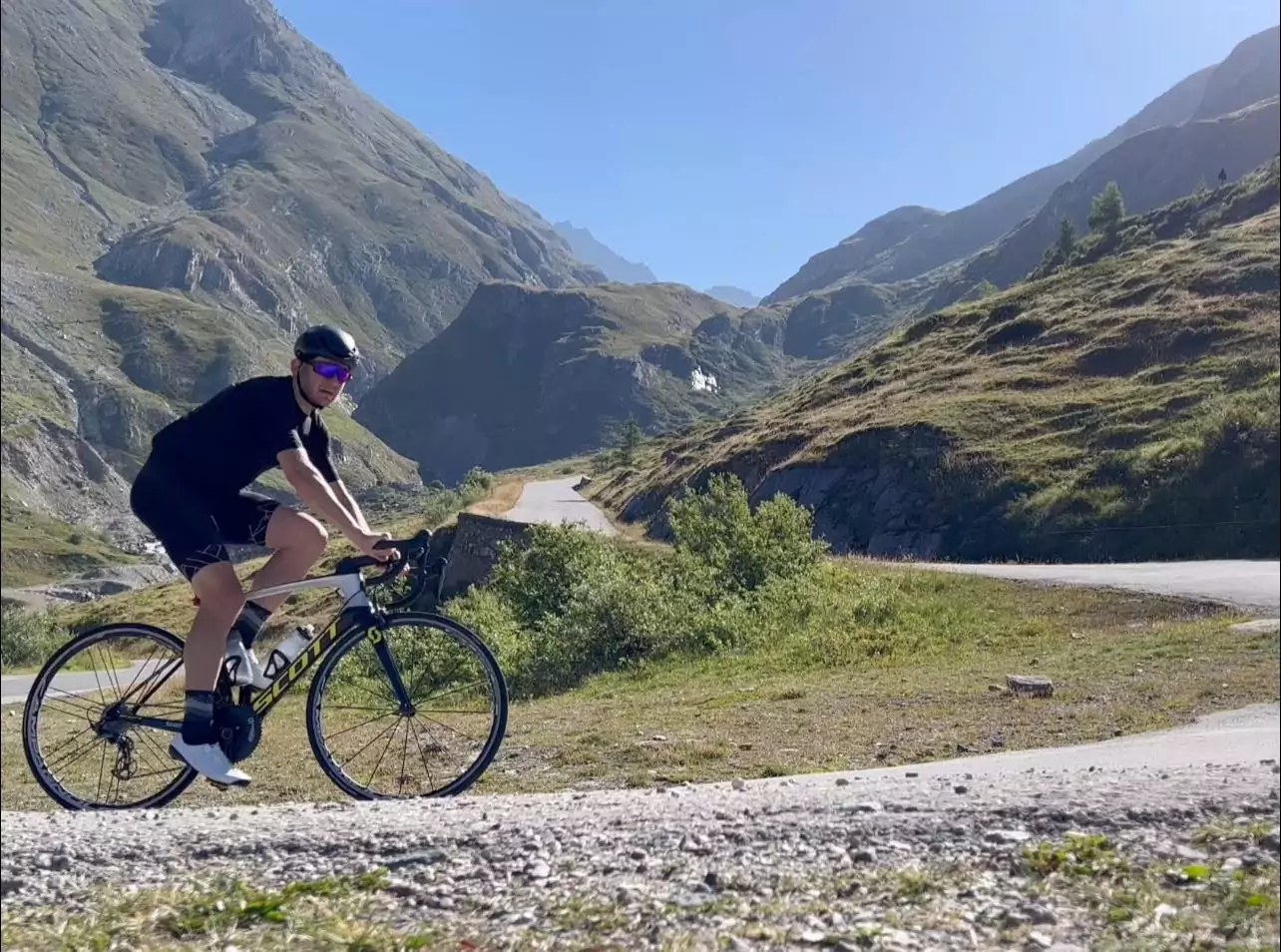
Olivier from velo-perso.com
Behind these tips is my journey as a competitor (former Elite N1 and pro trainee) and a deep passion for the technical side of cycling. I've known the podiums, but I've also experienced the failure of finishing 600th at the Étape du Tour due to major strategic mistakes. Since 2012, I’ve used power meters to decode the physics of performance. My goal? To share this experience so that every ride—from the Galibier to the Rockies—remains a pleasure above all.
"Take it step by step, but stay ambitious!"