Alpe d'Huez Profile: What You Need to Know
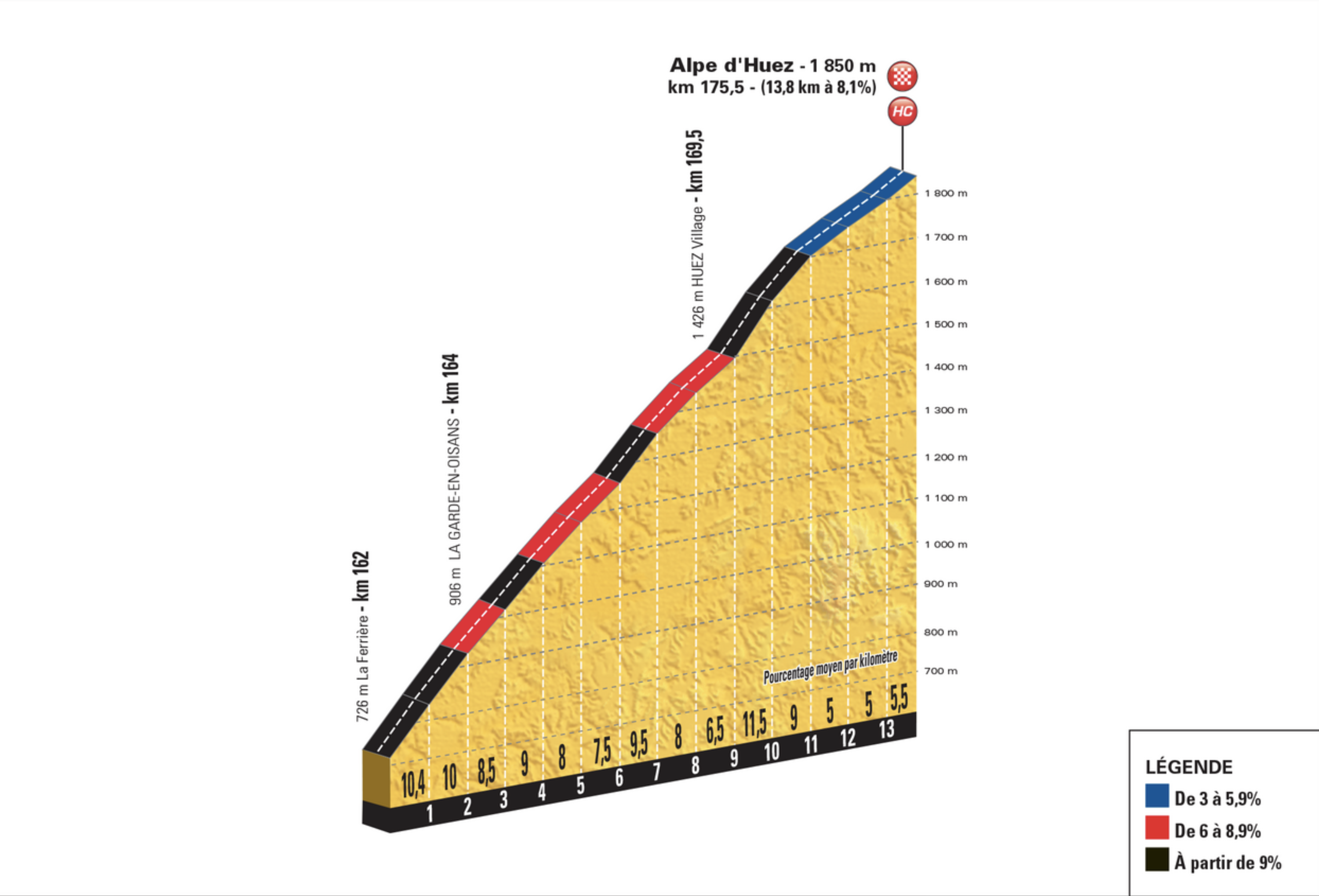
The profile of Alpe d'Huez is legendary: 13.8 km at an average gradient of 8.1%. While the climb is considered steady, it’s important to look closer at how the gradient varies — it plays a crucial role in managing your effort.
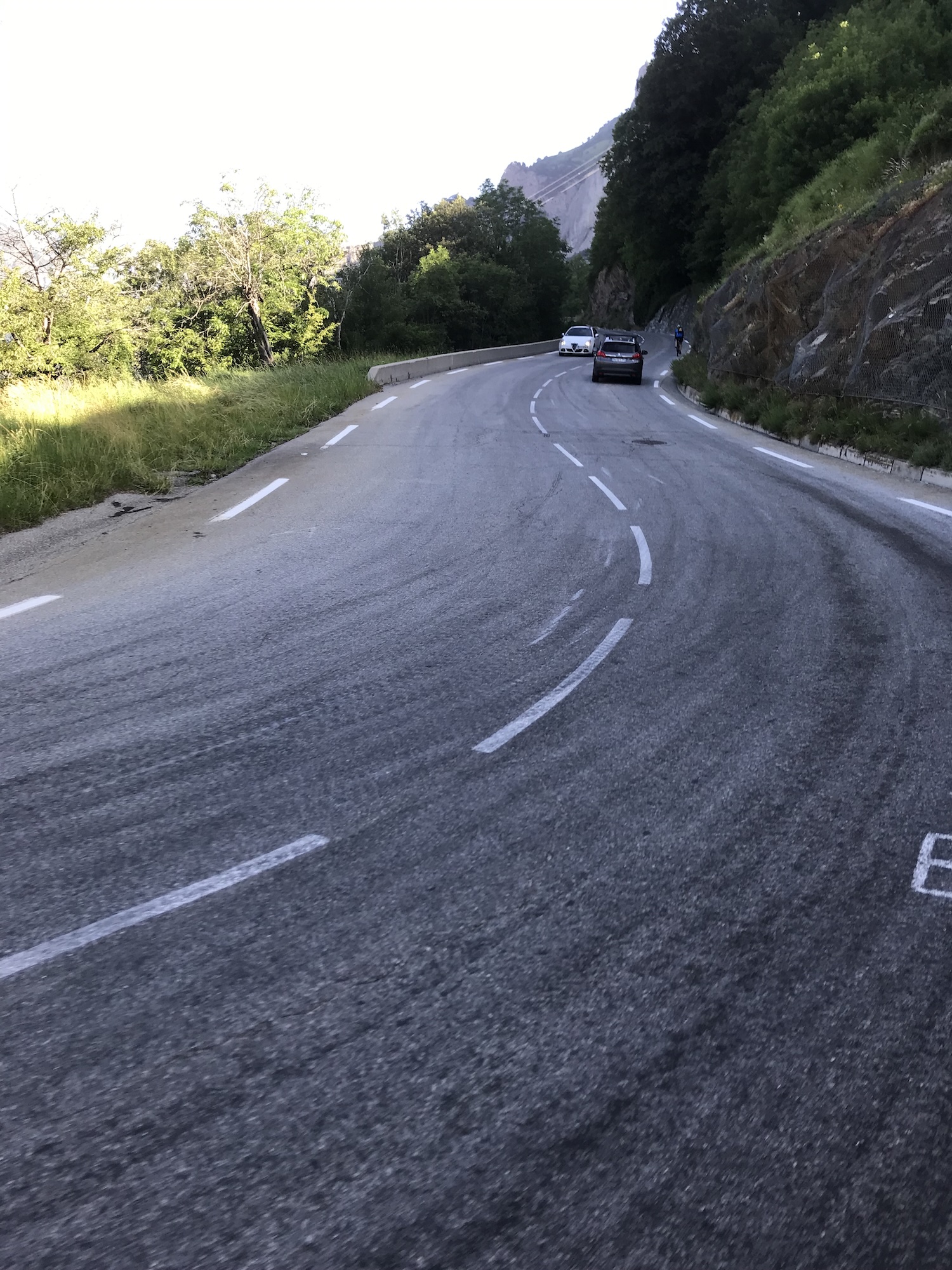
The climb starts with a straight section ending in a steep 10% ramp, followed by a sequence of tight switchbacks interspersed with 10% gradients. After just 2 km, you will have already gained 200 meters of elevation — which is substantial!
Then, the slope levels out around 8–9% for about 7 km. This is where you need to find your sustainable climbing rhythm. After passing through the village of Huez, the gradient ramps up again to 10% over the next 2 km. The final stretch is more forgiving: 3 km at 5%, where some pros even shift back onto the big ring.
Method 1: Managing the Climb with Heart Rate
Most cyclists today use a heart rate monitor and are accustomed to training with it. On a steady climb like Alpe d’Huez, the goal is to ride just below your threshold. The main risk is cardiac drift — your heart rate gradually rises due to the duration of the effort and lack of recovery sections.
Unlike a rolling time trial, there are no downhill segments here to catch your breath. You must know your body well. A good rule of thumb is to stay 5–10 bpm below your threshold. This method is somewhat imprecise, as heart rate is sensitive to fatigue, temperature, and stress. But if you manage the first 10 km at that range, you’ll likely avoid blowing up before the top.
Method 2: Targeting an Ideal VAM
VAM (vertical ascent in meters per hour) is still underused among amateurs but extremely effective. It measures your vertical speed and is especially useful on mountain climbs. If you have a Garmin, you can add this data field to a dedicated climbing screen — it's rarely useful on flat routes.
Among cyclosportive riders, VAM generally ranges from 300 to 1000 m/h depending on slope and fitness. Pros usually ride between 800 and 1900 m/h in the mountains and can exceed 2300 m/h on short steep climbs. For Alpe d’Huez, a 1h10 ascent equates to roughly 964 m/h.
If you’ve ridden climbs like Mont Ventoux before, use your past VAM — available on platforms like Strava — to estimate your pace. This method requires experience, but it’s very reliable if your weight hasn’t changed much.
Method 3: Using Power for Precise Pacing
Power-based pacing is the most accurate method. It reflects your real fitness level and remains consistent regardless of external conditions. Unlike VAM, power doesn’t fluctuate much year-to-year as long as your training load is steady. If you’ve gained weight, your VAM may suffer, but your absolute power remains a strong reference.
With Garmin Connect or tools like Intervals.icu, you can analyze your 1h, 90min, or 2h power curves. For a climb like Alpe d’Huez, your 1-hour power is the best reference point. Even if your ascent takes 1h15 or 1h20, the average power tends to be only slightly lower. For example, if you can sustain 300 W over 1 hour, expect around 290 W over 1h20.
How to Pace the Start of the Climb
The start is deceptive: steep gradient, wide road, and lots of adrenaline. If you’re using heart rate, you’ll likely be over your target zone from the first kilometer. With VAM, you can afford to go 5% over your target since mechanical efficiency is better on steeper slopes — but don’t overdo it. With a power meter, it’s simple: never exceed your 1-hour target power, even on the first switchbacks.
Starting too hard always comes at a cost. By sticking to your numbers early on, you'll enjoy a consistent and dignified finish at the summit.
Performance or Pleasure Ride?
Until now, we've discussed the Alpe as a standalone climb. But it can also be part of a long ride (4, 6, or even 8 hours). In that case, your pacing must change. A pleasure climb should be ridden at 65–70% of your maximum effort — or closer to 50% for ultra-endurance rides.
If your goal is to enjoy the climb, admire the scenery, ride at your own pace, and stay in your comfort zone (heart rate or perceived exertion). Who knows — next time you might want to go full gas.
Recommended Equipment for Climbing Alpe d'Huez
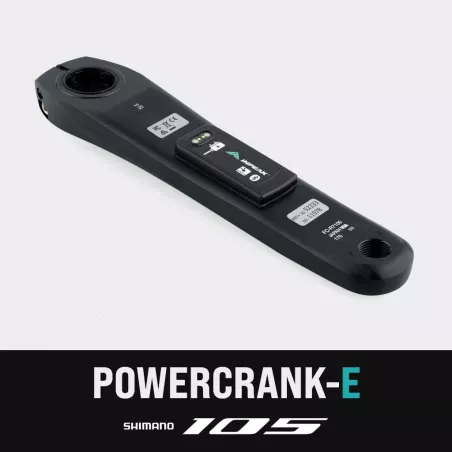
For a dedicated climb, most trained riders logging over 5000 km/year — and under age 75 — can ride with a 34x34 gear ratio (1:1). This is achievable with a 50/34 crankset and an 11–34 cassette. If you’ve gained weight or reduced training, a 48/32 or even 46/30 crankset can help preserve cadence and comfort.
Alpe d’Huez is not hard because of its altitude — the final kilometers are easier — but because of its heat and length. Start with two full bottles and hydrate well. Disc-brake bikes can be heavy: a 7.5 kg or lighter setup (carbon cranks, lightweight wheels, minimalistic components) will help you enjoy the climb more.
Your drivetrain also matters: a worn or dirty chain can cost you up to 10 watts. Consider using a waxed or race chain, ceramic bearings (bottom bracket and pulleys), and a clean, well-tuned transmission. These are marginal gains, but they help mentally and physically.
One last tip: forget aero gear. It’s useless on this kind of climb. Instead, wear a breathable, zippered jersey for maximum comfort.